
If your dog struggles home alone, you’re not alone.
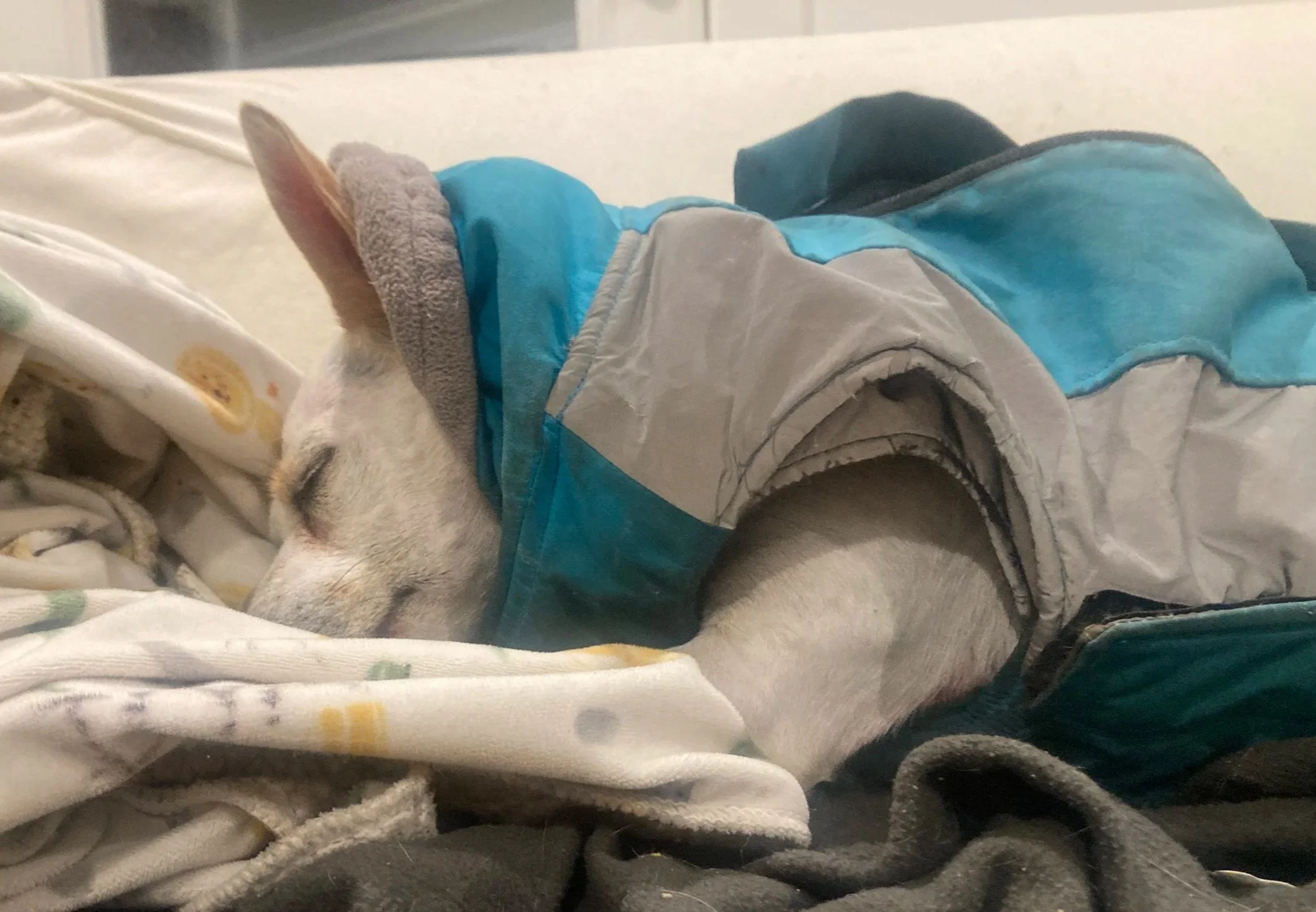
Our dog panicked when we walked to the door.
We couldn’t leave Trixie alone. We missed out on grocery shopping dates and both parents going to the playground with our baby.
After doing separation anxiety training, our Trixie crushes long absences. To offer that same training to you, I became a Certified Separation Anxiety Trainer.
If your dog struggles home alone, I’m here to help you teach your dog to feel safe when you leave.
What does separation anxiety look like?
-
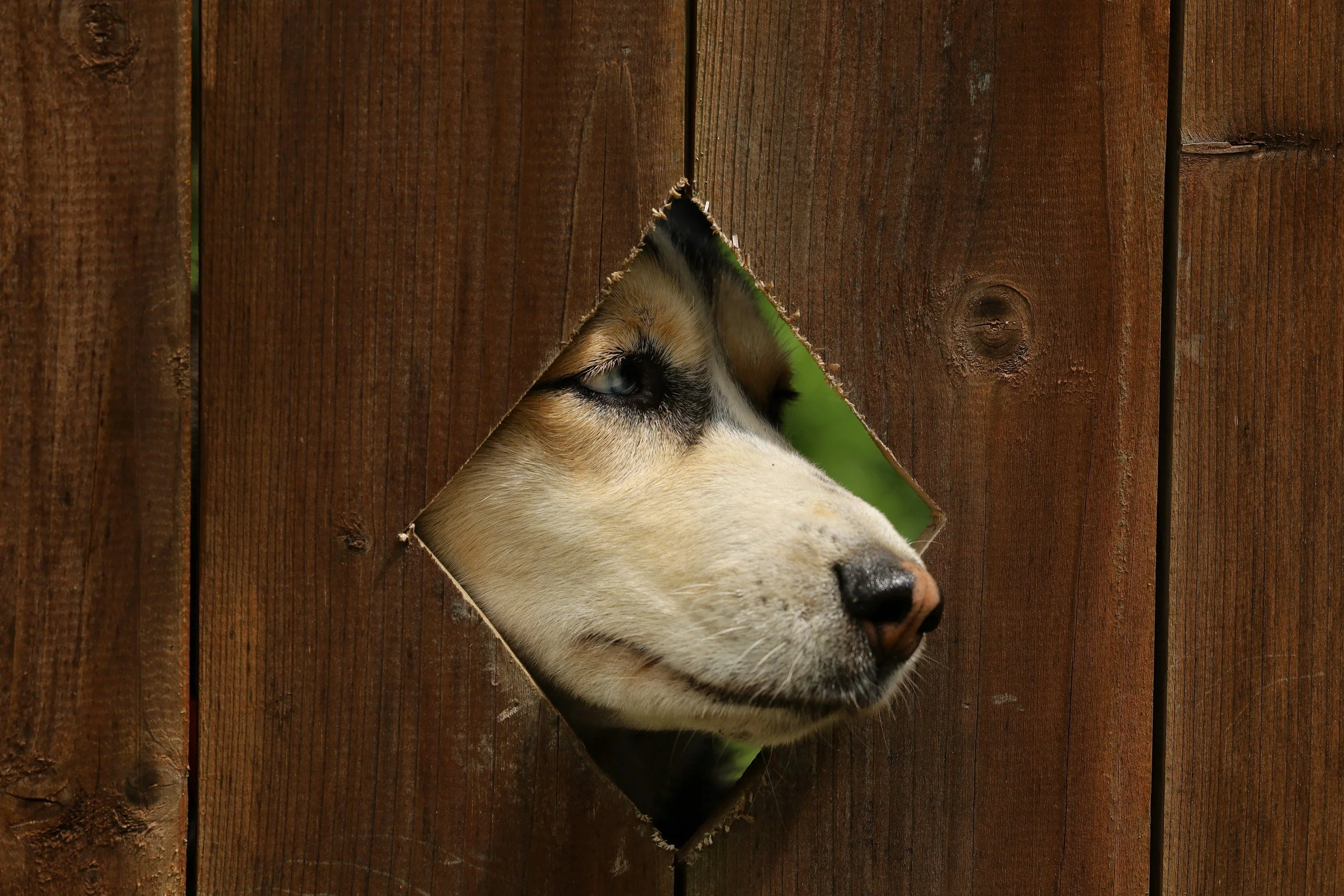
Scratching the door
Trying to escape, the dog may scratch or chew on the door.
-
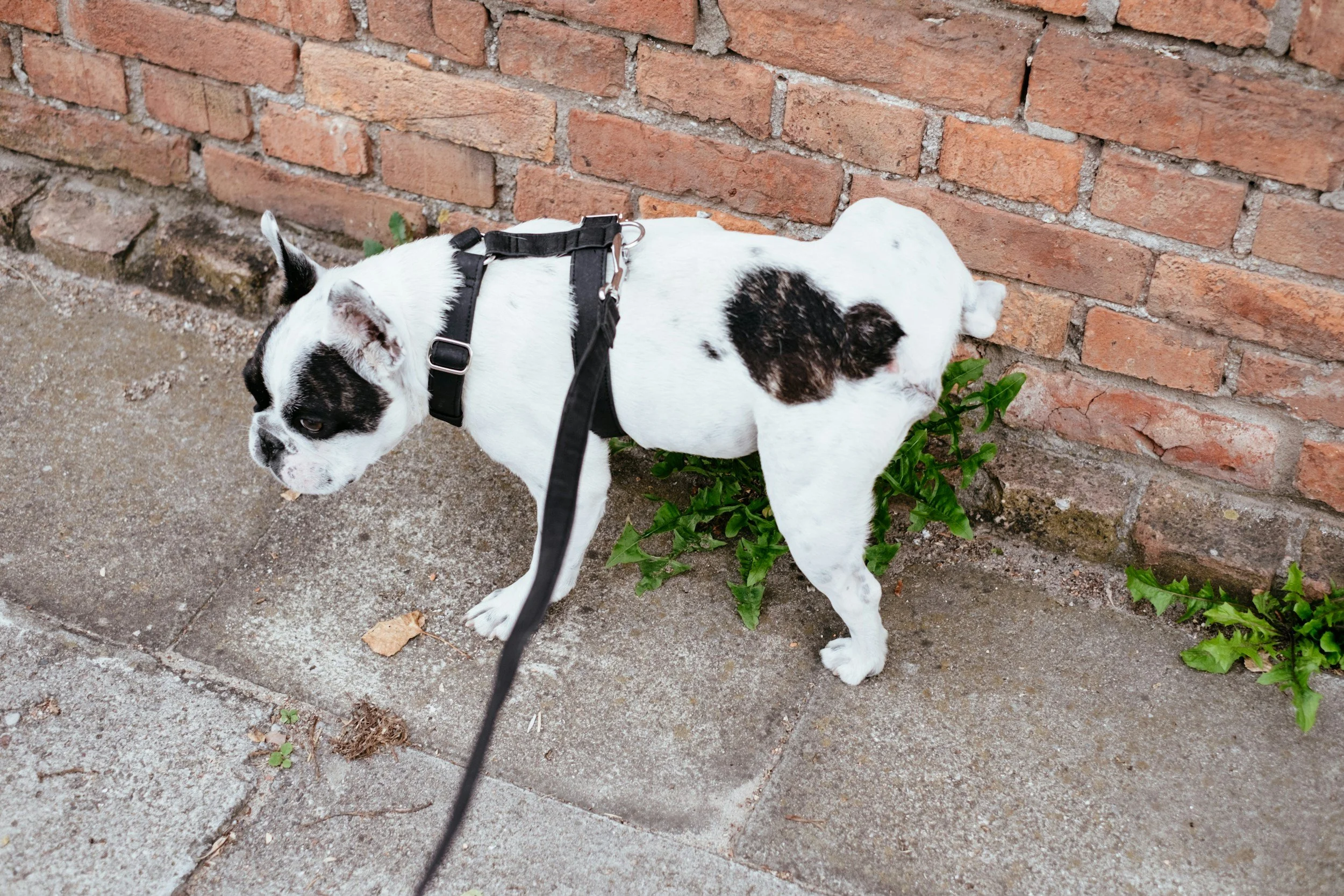
Potty accidents
Peeing or pooping inside is a common sign of separation anxiety in a dog who is otherwise potty trained.
-

Barking
Barking, howling, whining, and other vocalizations can be a sign of separation anxiety.
How separation anxiety training works
-

1. Gradually expose dog to planned alone time
The dog will tell us when we can increase alone time.
-

2. No alone time outside training sessions
The person with the dog does not have to be you. I support you finding ways for your dog to never be alone outside of training, while we’re working together. This is temporary, to protect your progress during training.
-

Dog learns alone time is always safe.
Barking, howling, whining, and other vocalizations can be a sign of separation anxiety.
How I support you
4-Week Package: $900
Custom training sessions and feedback 5x / week
One weekly live session
With compassion: I know what it’s like having a separation anxiety dog
With realistic hope and determination. Our dog recovered through this training.

